Broken Heart Icons for Modern Graphic Design
First Impressions: A Touch of Emotion in Simple Lines
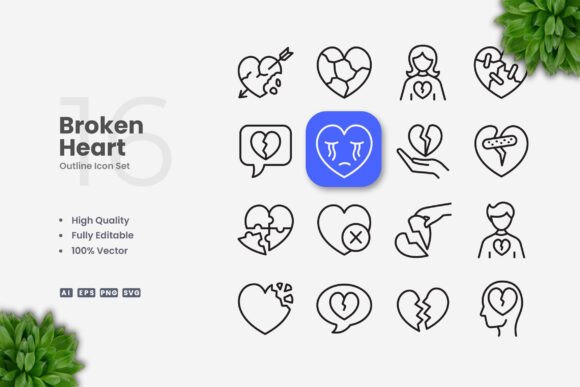
When I first laid eyes on Broken Heart Icons, I was struck by how effortlessly they balance simplicity with emotional resonance. These icons are not just visual elements—they carry a narrative. The clean lines and minimal detailing suggest a modern, contemporary style that feels both fresh and relatable.
The broken heart motif is universally recognizable, making it an excellent choice for projects that need to convey themes of love, loss, or transformation. Whether you're designing for a handmade brand, a seasonal campaign, or even a digital product launch, these icons can add a subtle layer of storytelling without overwhelming the design.
Design Versatility: From Branding to Print-on-Demand
Broken Heart Icons are incredibly versatile. They work well in a variety of contexts, from brand identity elements like logos and packaging to social media graphics and printable designs. Their adaptability makes them ideal for Cricut projects, sticker design, and even t-shirt design.
In a recent project for a small business owner launching a line of handmade jewelry, I used these icons as decorative accents on product labels and packaging. The result was a cohesive look that felt both personal and professional. The same icons could easily be repurposed for Canva templates, Pinterest pins, or Instagram posts, adding a consistent visual thread across multiple platforms.
Where Broken Heart Icons Shine Brightest
These icons perform exceptionally well in large layout areas such as hero graphics, product mockups, and themed collections. They also serve as great decorative accents in editorial design, web design, and marketing visuals. When paired with the right typography, they can enhance the emotional appeal of a design without competing for attention.
I've found them particularly effective in packaging design for brands targeting a younger, more emotionally aware audience. In one case, we used them on Etsy product listings to create a sense of authenticity and connection, which helped increase engagement and sales.
Caution Zones: When Simplicity Can Be a Limitation
While Broken Heart Icons are a strong asset, they aren't a one-size-fits-all solution. In crowded layouts or complex backgrounds, they might get lost or feel out of place. Similarly, in professional corporate materials or minimalist branding, their expressive nature could clash with the desired tone.
It's also important to consider readability and visual hierarchy. If used in small sizes or on low-contrast designs, the details might become indistinct. Always test them in black and white and preview at different scales to ensure they maintain clarity and impact.
Practical Design Notes: What Every Designer Should Check
Before using Broken Heart Icons for a client or commercial project, there are a few key considerations:
- Test in black and white: This helps assess contrast and readability against various backgrounds.
- Check file formats: Ensure you have access to high-quality SVG design or PNG design files for scalability and transparency.
- Review commercial licensing: Confirm that the asset is suitable for use in commercial design and print-on-demand projects.
- Compare with typography: Test how the icons interact with different serif font, sans serif font, script font, and display font styles.
- Preview in real mockups: See how they look on product mockups, printable wall art, or sublimation design surfaces.
Final Thoughts: A Useful Addition to Your Design Toolkit
Broken Heart Icons offer a unique blend of emotional depth and visual simplicity that can elevate a wide range of design projects. Whether you're working on brand identity, digital products, or creative marketplace listings, these icons provide a reliable foundation for creative expression.
As a designer, I appreciate assets that are both functional and meaningful. Broken Heart Icons fit this description perfectly—offering a subtle yet powerful way to communicate emotion through design. With careful consideration and thoughtful application, they can be a valuable addition to any designer's toolkit, helping to create more engaging, polished, and emotionally resonant visual experiences for clients and audiences alike.