Grill Icons: Clean Graphics for Modern Content Publishing
First Impressions of Grill Icons
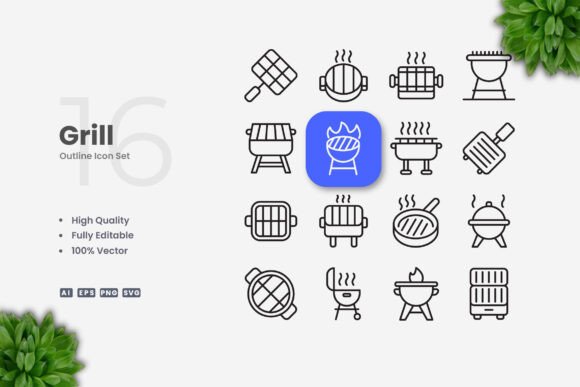
When I first laid eyes on Grill Icons, the immediate impression was one of simplicity and clarity. These icons feel modern, clean, and effortlessly scalable—exactly what a content publisher needs when crafting visual assets for blogs, newsletters, or digital guides.
The design carries a subtle yet professional editorial mood that feels versatile enough to support a wide range of niches. Whether you're building a lifestyle blog, an educational platform, or a sleek affiliate marketing site, these icons can adapt without feeling out of place. Their minimalist nature makes them feel slightly more lifestyle-focused than strictly corporate, which could be a plus or minus depending on your brand identity.
What stands out is their ability to remain unobtrusive while still adding visual interest. This makes them ideal for content creators who want to maintain a strong visual hierarchy without overwhelming the reader with too much design noise.
Real-World Applications in Content Publishing
Grill Icons are not just pretty graphics—they’re practical tools that can elevate your content publishing workflow. Here’s how they might fit into different publishing scenarios:
- Blog Featured Images: Use them as accents in hero images or article headers to reinforce key topics like food, fitness, or travel.
- Pinterest Graphics: The clean lines and consistent style make them perfect for creating eye-catching Pinterest pins that stand out in a feed.
- Social Media Posts: Pair them with short captions for Instagram or Facebook posts to add visual flair without distracting from the message.
- Digital Guides & Lead Magnets: Incorporate them into downloadable resources like worksheets, checklists, or eBooks to enhance readability and visual appeal.
- Newsletter Headers: They can serve as small graphical elements in newsletter headers or footers to reinforce branding and category recognition.
- Website Banners: Ideal for use in banners or sidebar widgets where you need a subtle but effective visual cue.
- Canva Templates: These icons work well within Canva templates, especially if you're designing printable designs or social media graphics quickly.
How Grill Icons Support Content Performance
Using Grill Icons in your content publishing strategy can lead to stronger first impressions and better click-through potential. Their clean design helps create a clearer visual hierarchy, guiding readers’ attention toward important elements like headlines or calls-to-action.
Consistency in iconography also supports brand identity, making your content look more polished and professional. This, in turn, can improve reader trust and encourage engagement, whether you're running a personal blog or a monetized affiliate marketing site.
Additionally, these icons help with category recognition—especially when used in thumbnails or section headers. Readers begin to associate certain visuals with specific types of content, making navigation easier and more intuitive.
Where Grill Icons Work Best
Grill Icons shine brightest in areas where visual clarity and simplicity are key. Here are some of the best places to use them:
- Hero Images: As part of a larger graphic, they can add subtle visual interest without competing with the main headline.
- Article Thumbnails: Used in thumbnail previews, they help categorize content at a glance.
- Pinterest Pins: Perfect for creating shareable content that looks cohesive across multiple pins.
- Blog Graphics: Add them to sidebars, infographics, or feature boxes to break up text and guide the reader's eye.
- Editorial Accents: Use them as decorative elements in magazine-style layouts or digital publications.
- Downloadable Resources: Enhance PDFs, printables, or worksheets with these icons to make the content feel more structured and professional.
- Newsletter Headers: Incorporate them into email headers to create a more engaging and branded experience.
- Social Media Previews: They help make link previews more visually appealing and clickable.
Where to Use Them with Caution
While Grill Icons are incredibly versatile, there are situations where they may not be the best choice. For instance, using them in small mobile thumbnails could result in loss of detail or legibility. Similarly, placing them on text-heavy blog images might distract from the content rather than complement it.
They also don’t perform as well on low-contrast backgrounds or in busy layouts where too many visual elements compete for attention. If your website or content has a very minimal visual system, these icons might feel too decorative. Finally, for serious professional niches or corporate content, a more refined or formal icon set might be more appropriate.
Practical Publisher Notes for Using Grill Icons
If you're planning to use Grill Icons in your content publishing workflow, here are a few practical tips to keep in mind:
- Test on Multiple Screens: Check how they look on both desktop and mobile devices to ensure they scale well and remain legible.
- Preview in Real Layouts: See how they interact with your blog’s existing design and color scheme before finalizing any project.
- Test with Headline Text: Ensure the icons don’t overpower or clash with your headlines, especially when using serif, sans-serif, or script fonts.
- Check Contrast and Readability: Make sure they stand out against your background colors and don’t become lost in the design.
- Review File Size: Optimize images for web performance to avoid slow loading times on your website or social media pages.
- Confirm Commercial Licensing: Before using them on monetized sites, affiliate pages, or paid content products, ensure you have the proper commercial license.
Final Thoughts on Grill Icons
Grill Icons offer a simple yet powerful solution for content publishers looking to enhance their visual communication and editorial design. Whether you're working on a blog, digital guide, or social media campaign, these icons provide a clean, modern aesthetic that supports a variety of content formats and platforms.
By integrating them thoughtfully into your publishing workflow, you can achieve a more professional-looking website, stronger brand identity, and improved reader engagement—all while keeping your content visually appealing and easy to navigate.